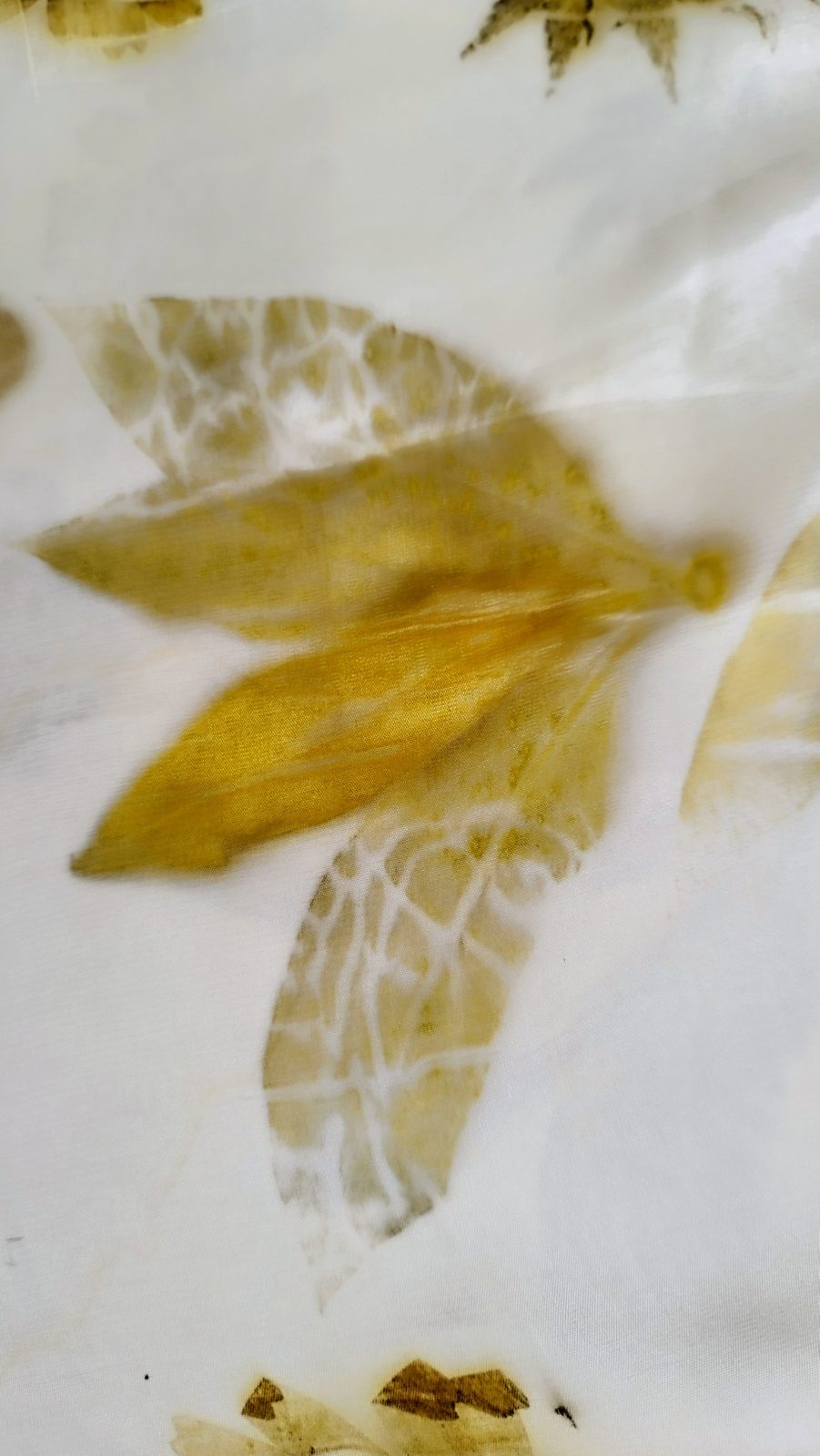

Eco-print capsule · Concón, Valparaíso Region, Chile
CreVic — Eco-Print
Eco-printing on organic cotton, silk and linen: leaves, flowers and bark from Chile's Valparaíso region printed straight onto the fibre, with no industrial dyes.
See available piecesManifesto
In CreVic, the art of nature and the identity of artisanal fashion coexist through eco-print: existing fibres shed their past and their history to embrace the tannins and pigments of the flora of Chile's Valparaíso region.
Colours and shapes dance between perceptible and chaotic figures left by leaves, flowers and bark on the textile fibres, while a new story begins to rewrite the purpose and desire of the cloth that acts as canvas.
Fashion and nature, seen not as mere trends or norms, but as works that shelter and elevate their wearers regardless of skin, creed or gender. An invitation to create a new way of dressing and of living the uniqueness each of us carries.
Vicente Vera · Creative director, CreVic
The Alchemy
The cloth — Belgian organic cotton, Indian silks, linens — arrives at the table with no history of its own. The first thing it receives is not colour. It is time.
For two weeks it rests in rainwater with alum stone. Water that fell from the sky and was kept for this. The alum works in silence, preparing the fibre to awaken yellows that do not yet exist. A day before the cooking, iron oxide enters, in minimal proportions, to call out the darks.
Then comes the flora. It does not come from a supplier: it comes from the district. Leaves, flowers, bark, roots, seeds, sometimes seaweed. Gathered in fair proportions, alternating harvest sites so no source is exhausted. Nature here is not extracted. It is visited.
“The first thing it receives is not colour. It is time.”
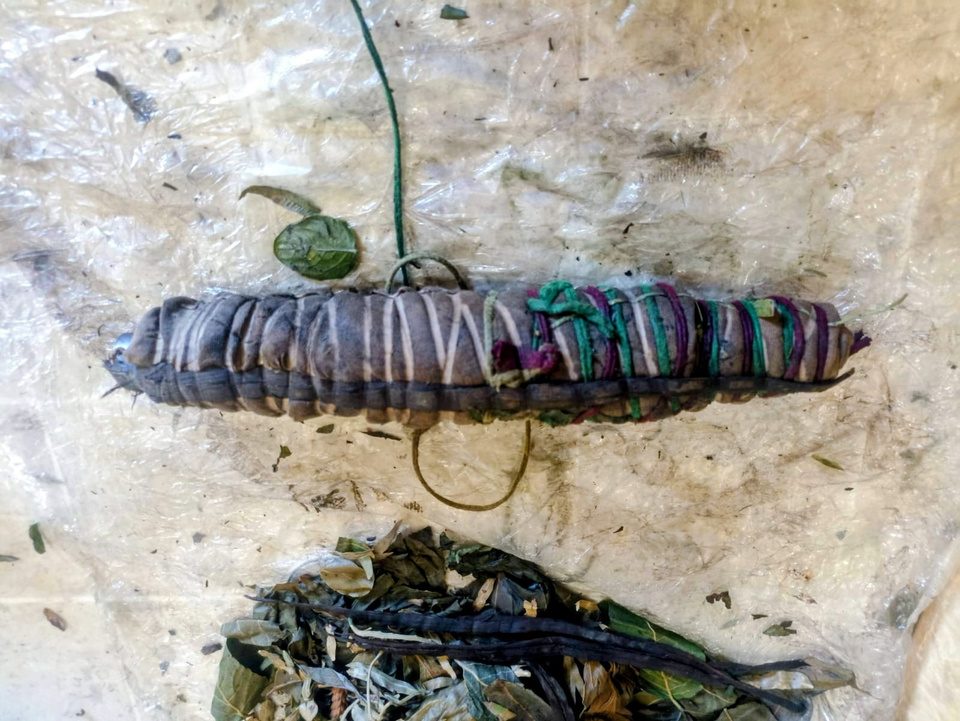
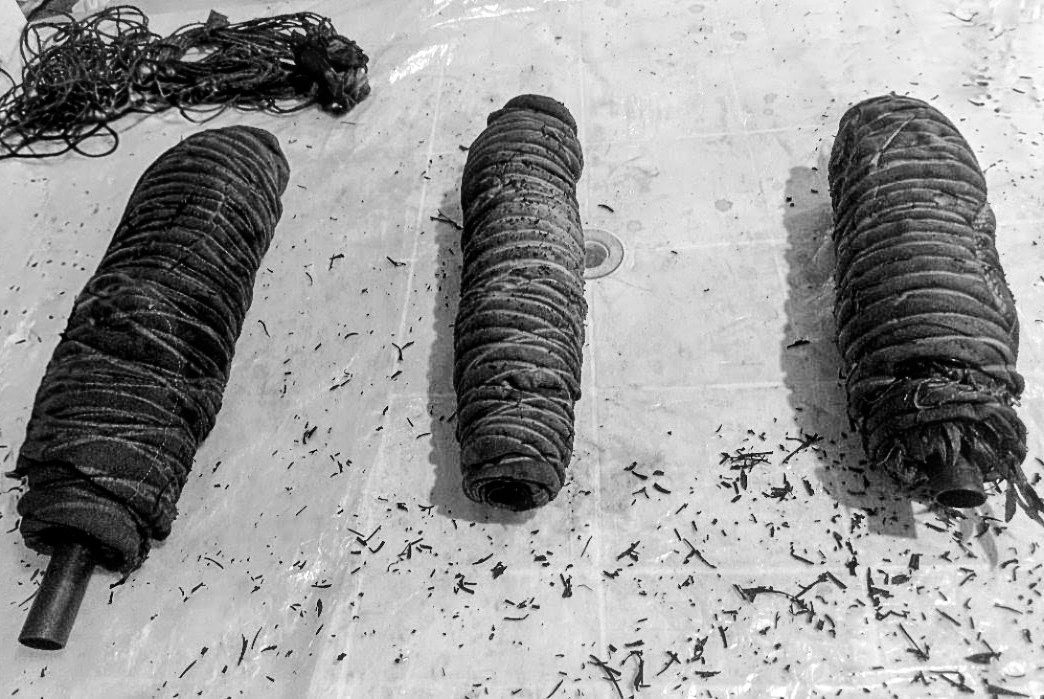
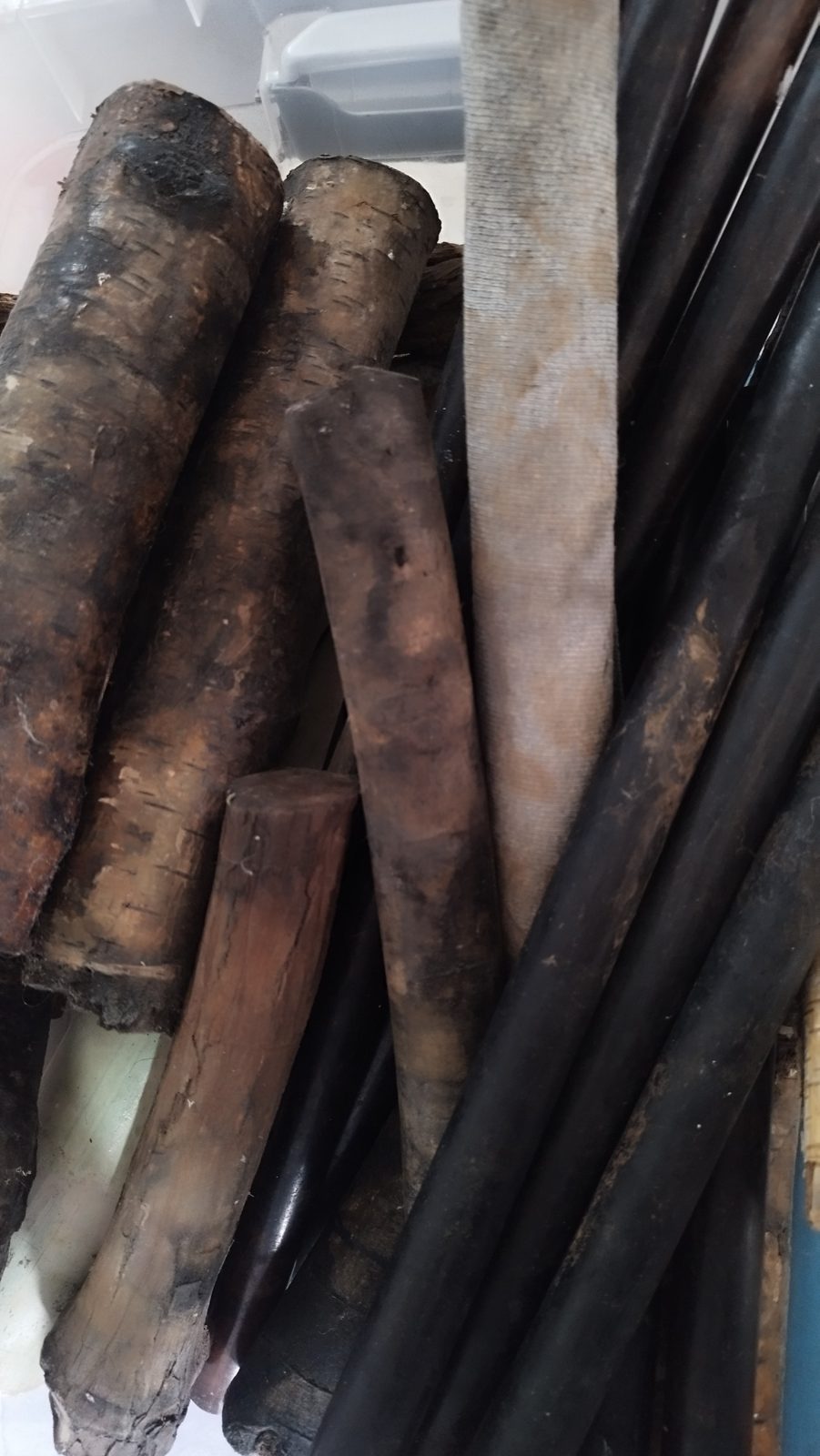
On the mordanted fibre a composition begins. Each element has a considered place: so its tannins do not dull the others, so each has room to leave its mark. It is design without a brush. Then the cloth is rolled — over log, over copper, over rusted iron — and bound until taut to the touch. What cannot move cannot lie.
The base for the cooking will be copper. An element that tenses, that contrasts, that reminds the cloth not everything will be soft. Sustained heat. Full immersion. The cloth is not painted: it is submerged in a plant broth fifteen days in the making.
On opening, the plant matter has served its purpose. It returns to the earth — compost, food, cycle. The cloth, instead, emerges with a memory no industrial process can manufacture or repeat.
What remains was not designed. It was negotiated between plant and fibre, with fire as witness. What emerges is not a damaged cloth: it is a cloth that has already lived something. With tactile memory, density of history, a patina no industrial dye can fabricate.
The Organic Canvas
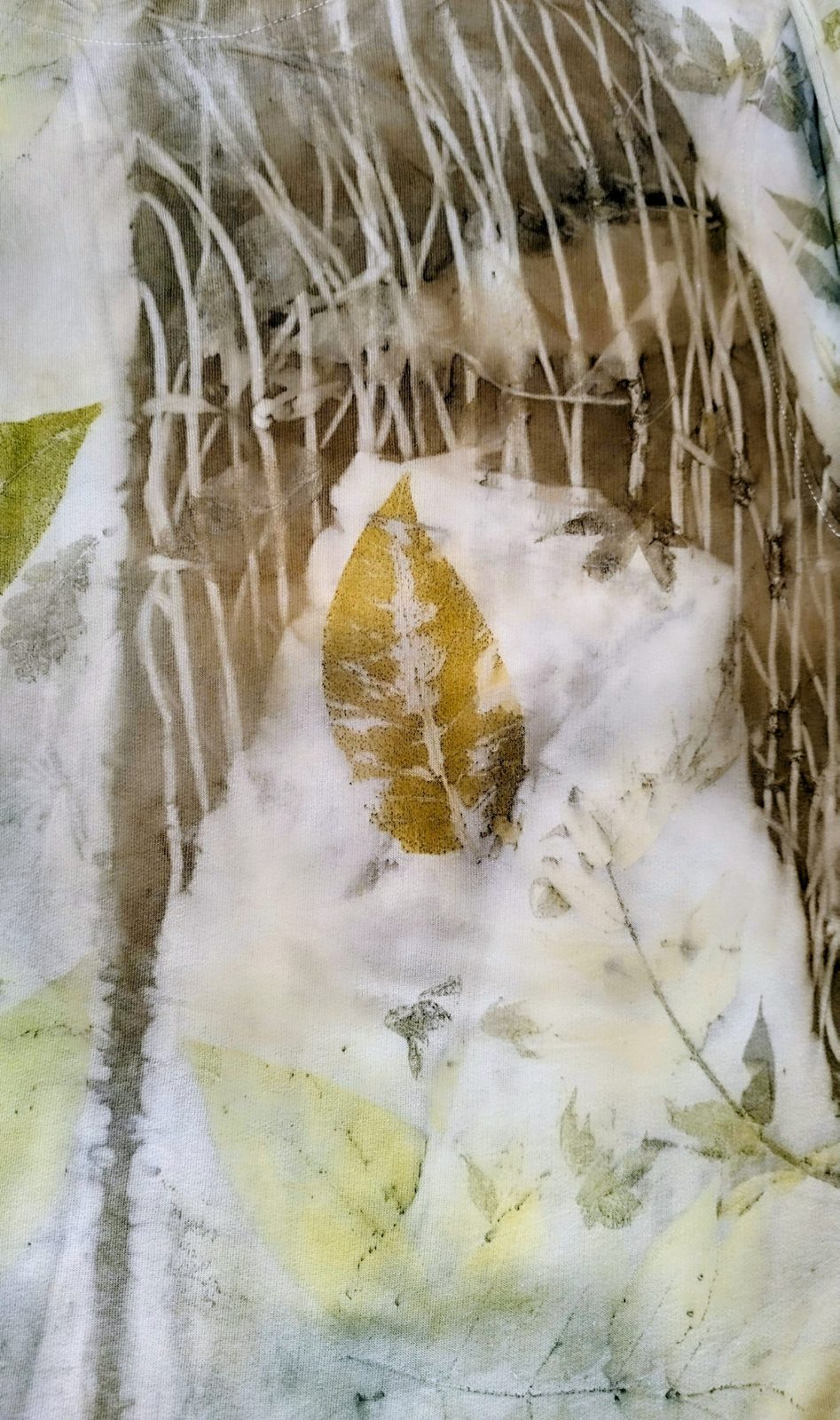
Each print is the evidence of a real contact between a plant and a fibre, mediated by time, pressure and heat. These are the species that write on the cloth.
Botanical species
- Rhus coriariaSumac
- Quercus roburCommon oak
- Acer palmatum o Acer japonicumJapanese maple
- Ricinus communisNine-point castor bean
- Casuarina equisetifoliaCasuarina
- Eucalyptus globulusEucalyptus bark
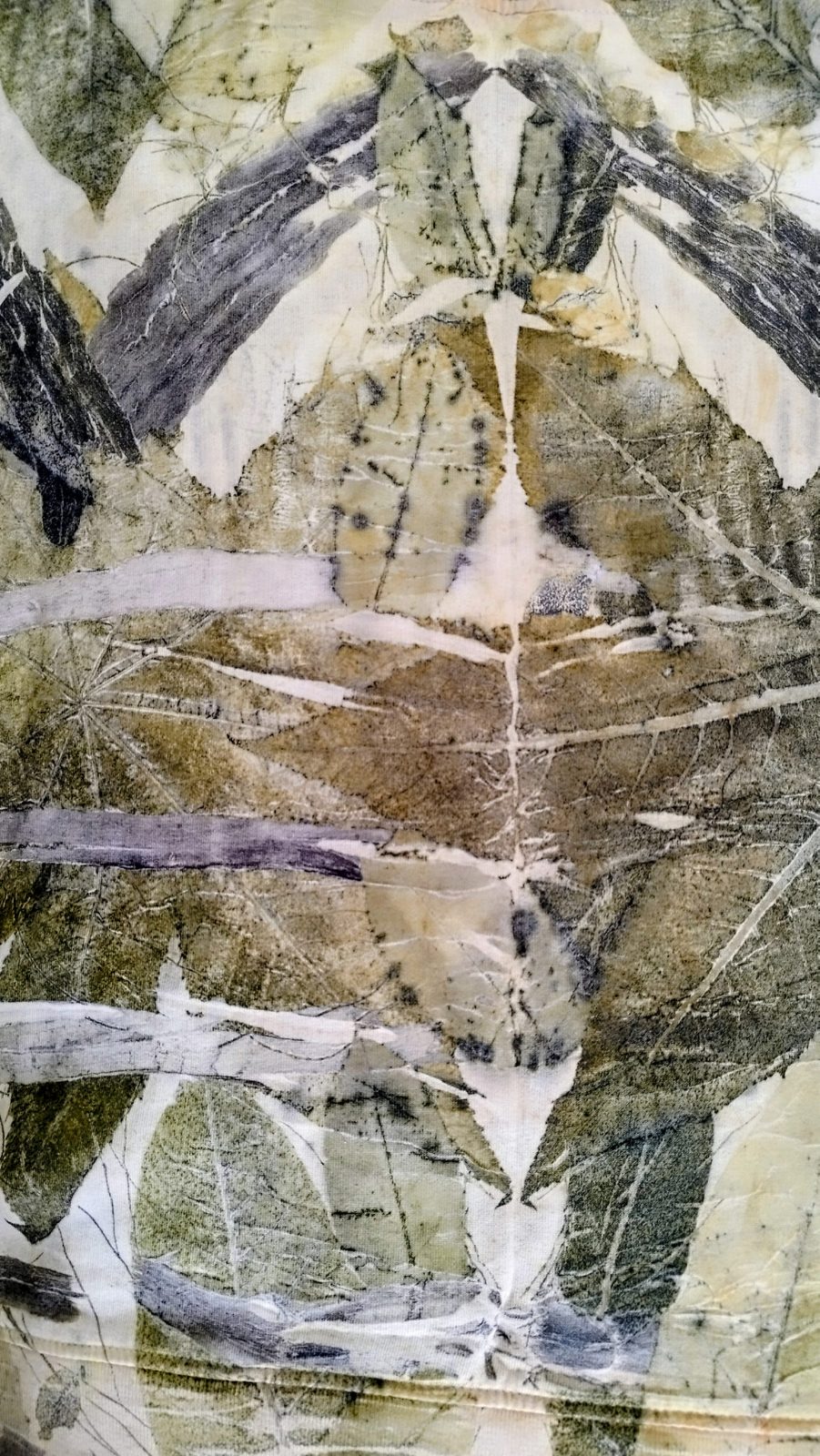
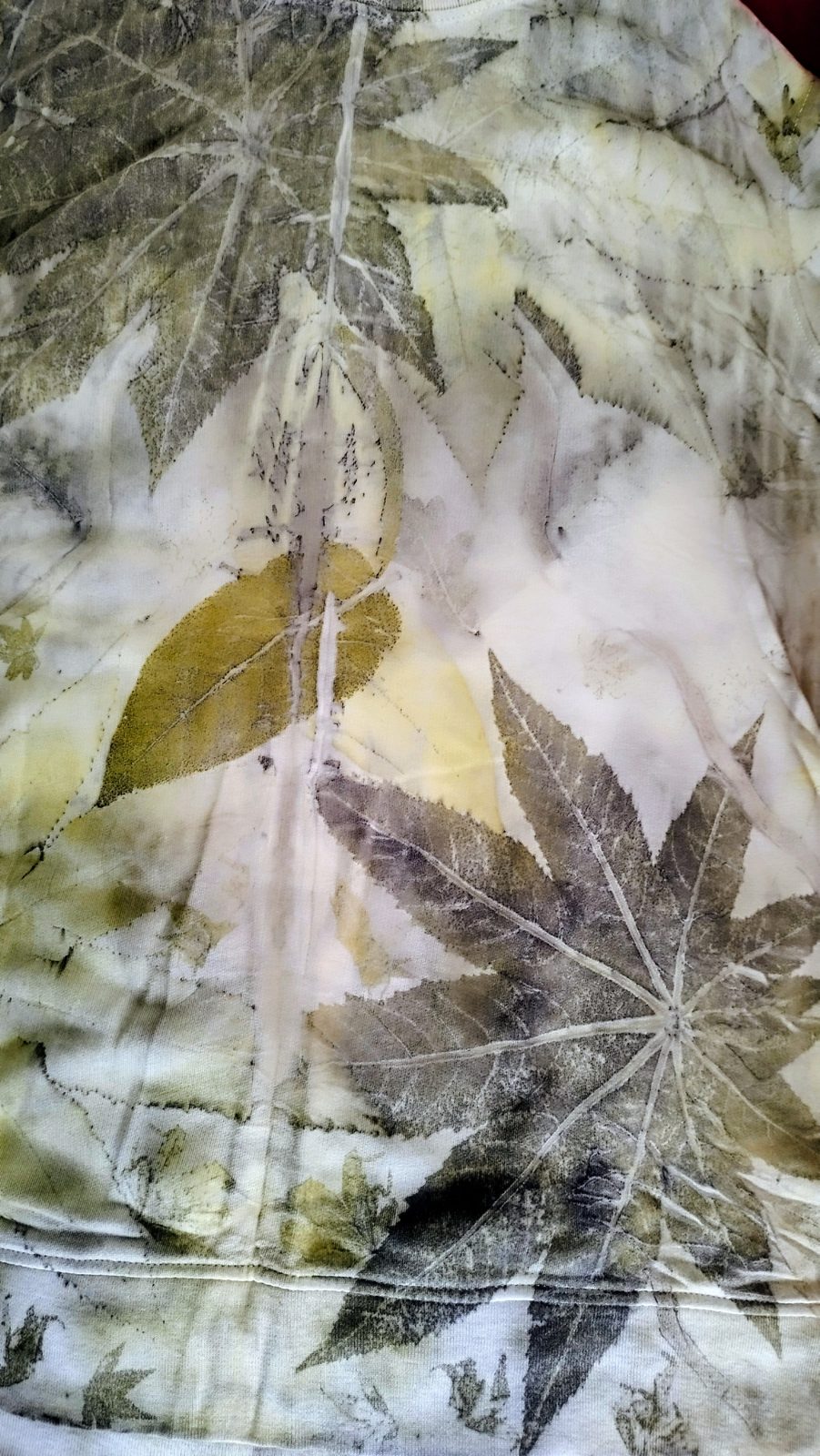
“Eco-print does not decorate. It records.”
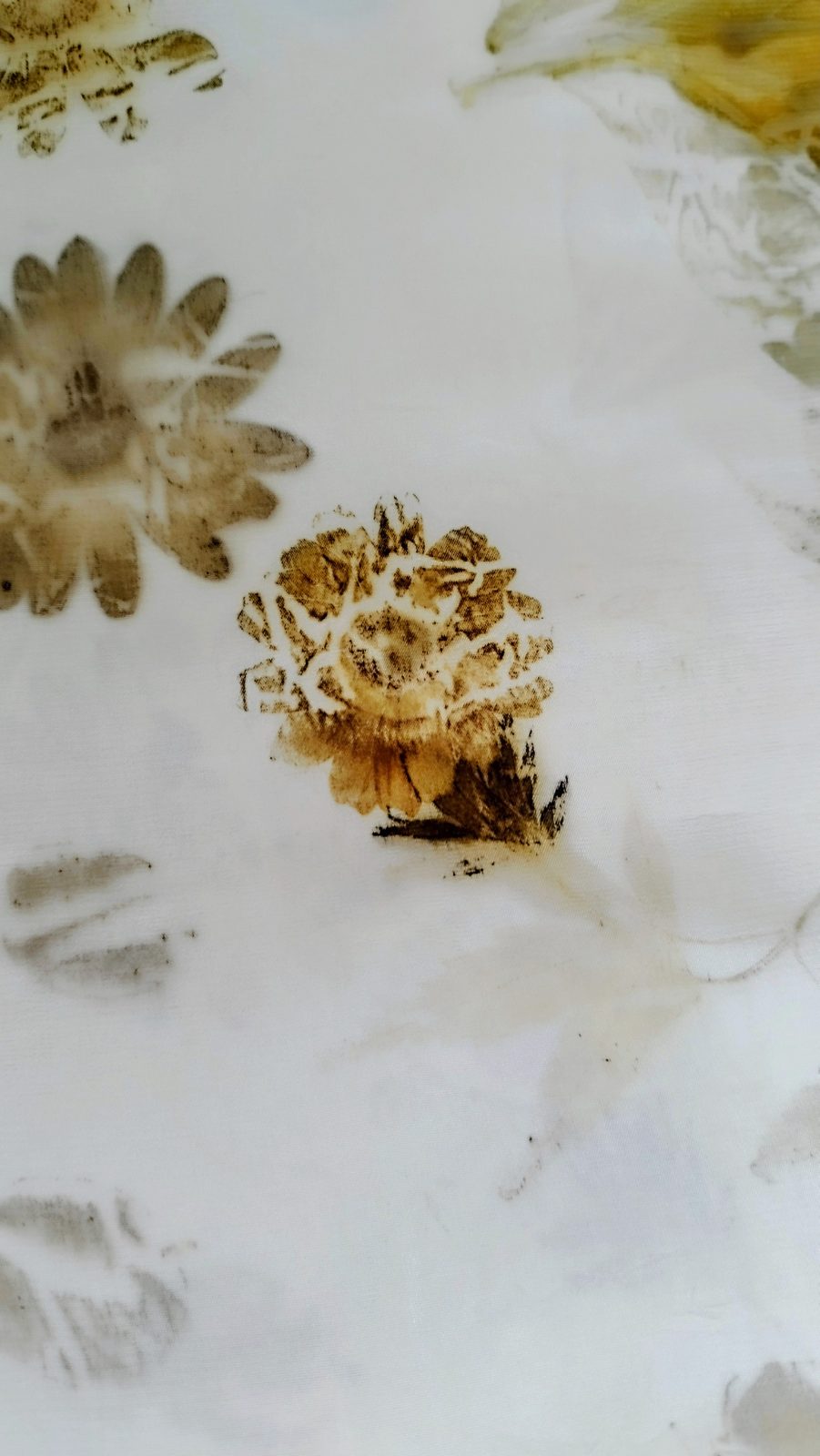
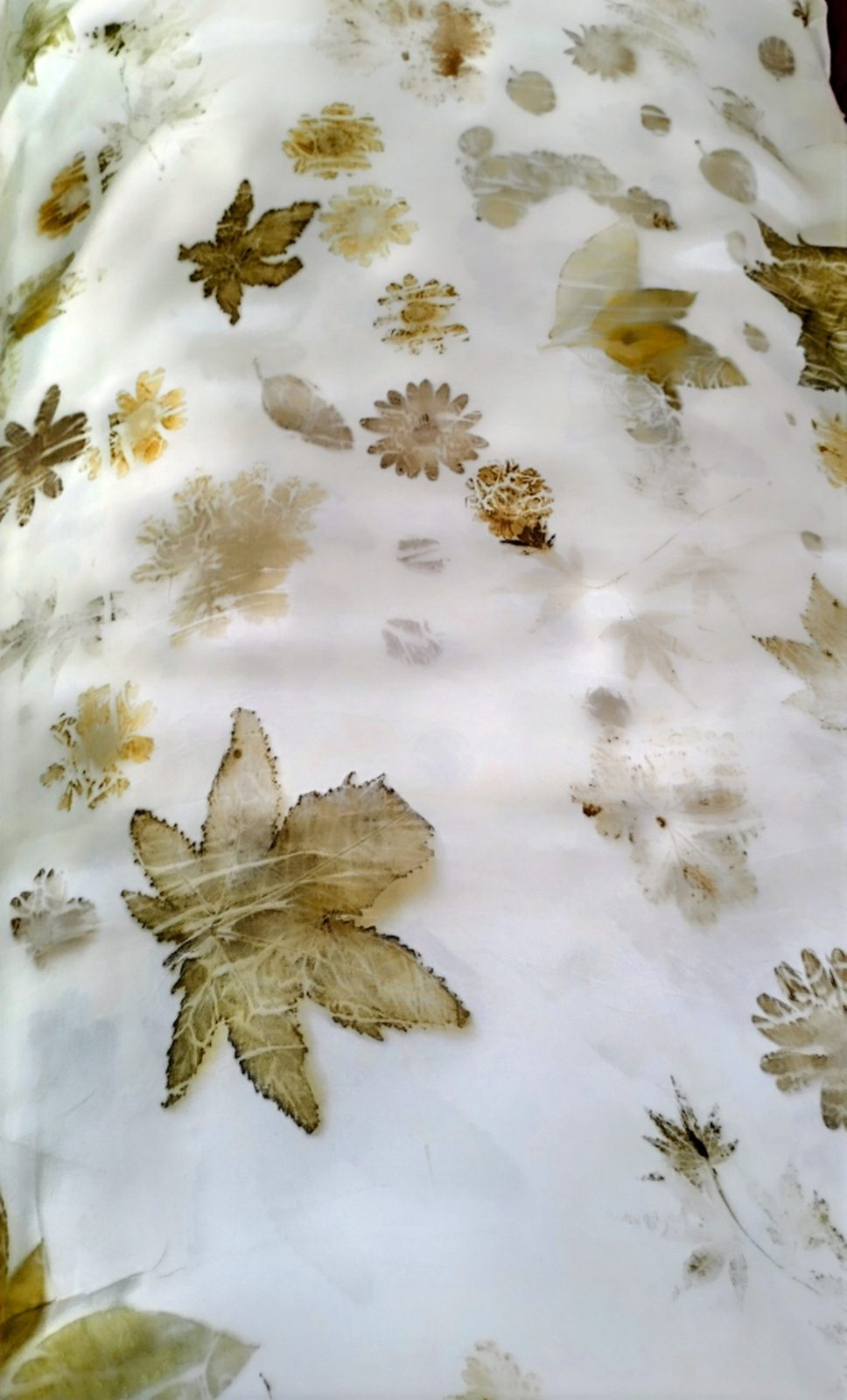
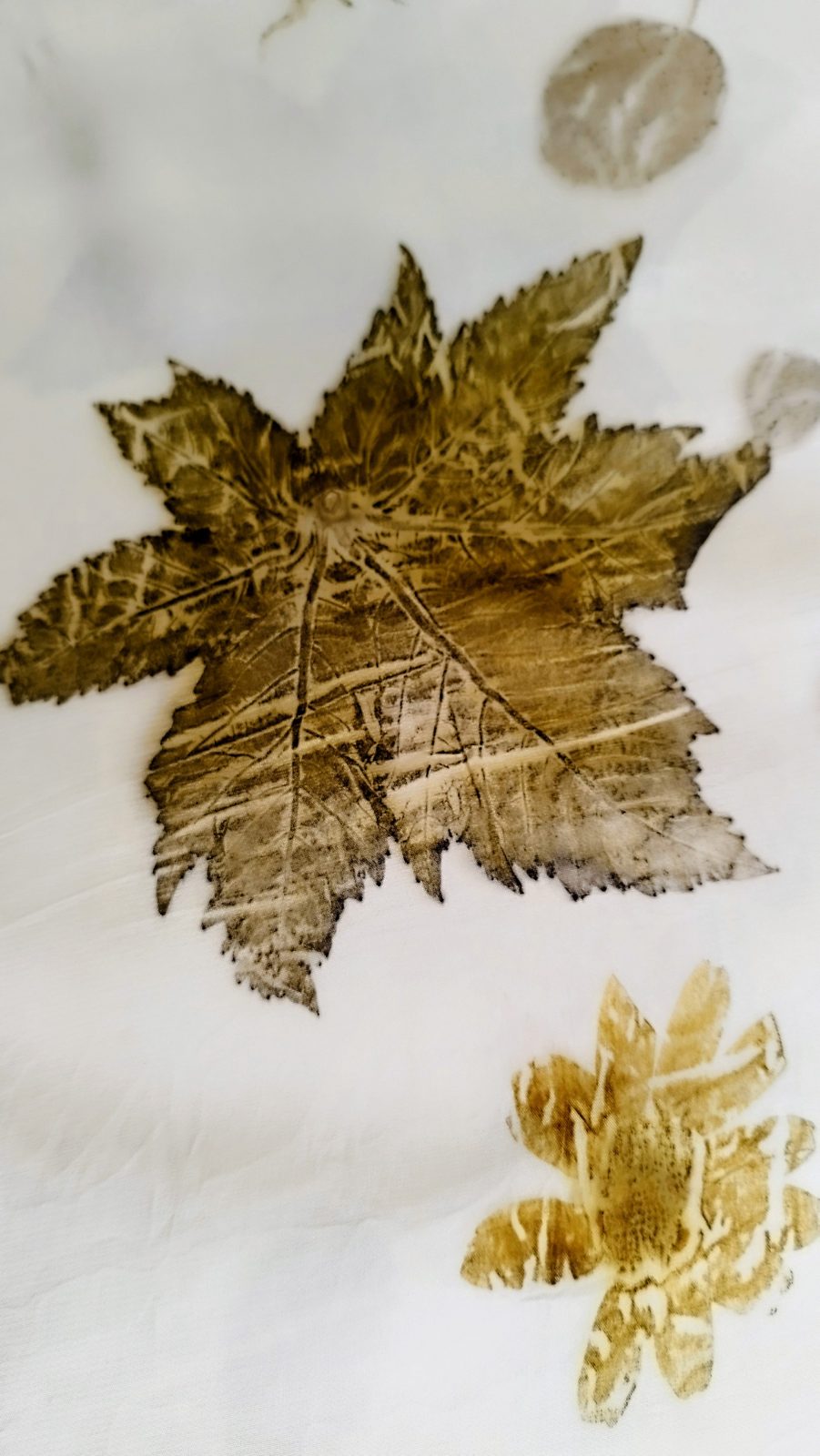
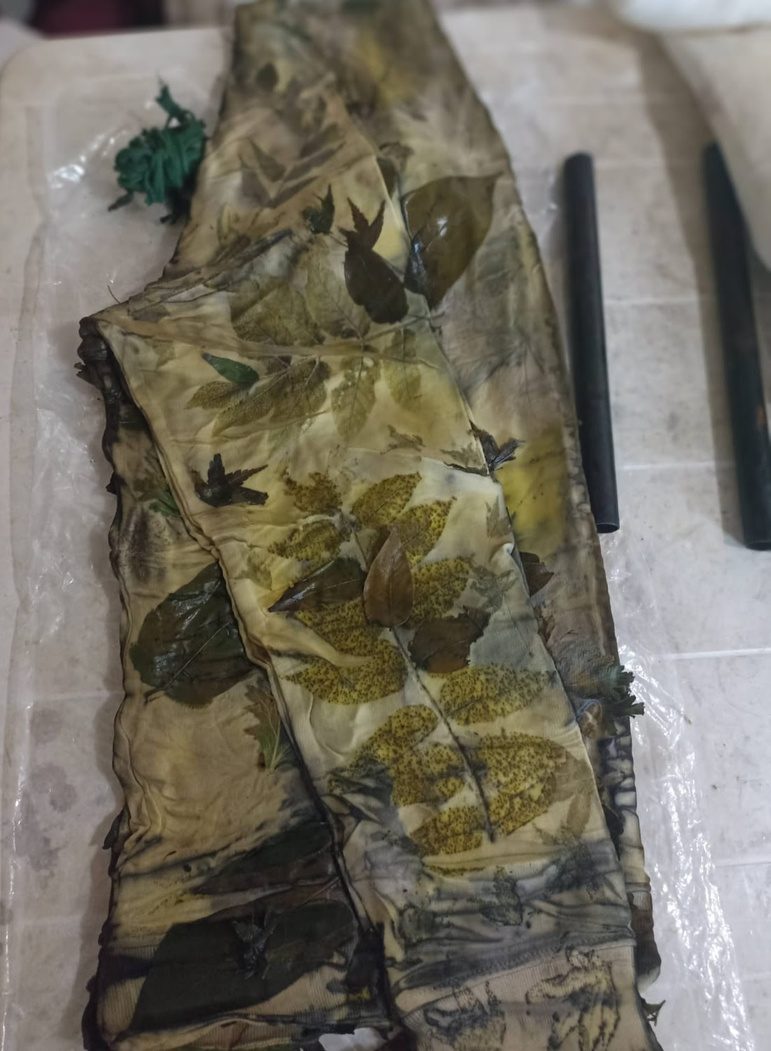
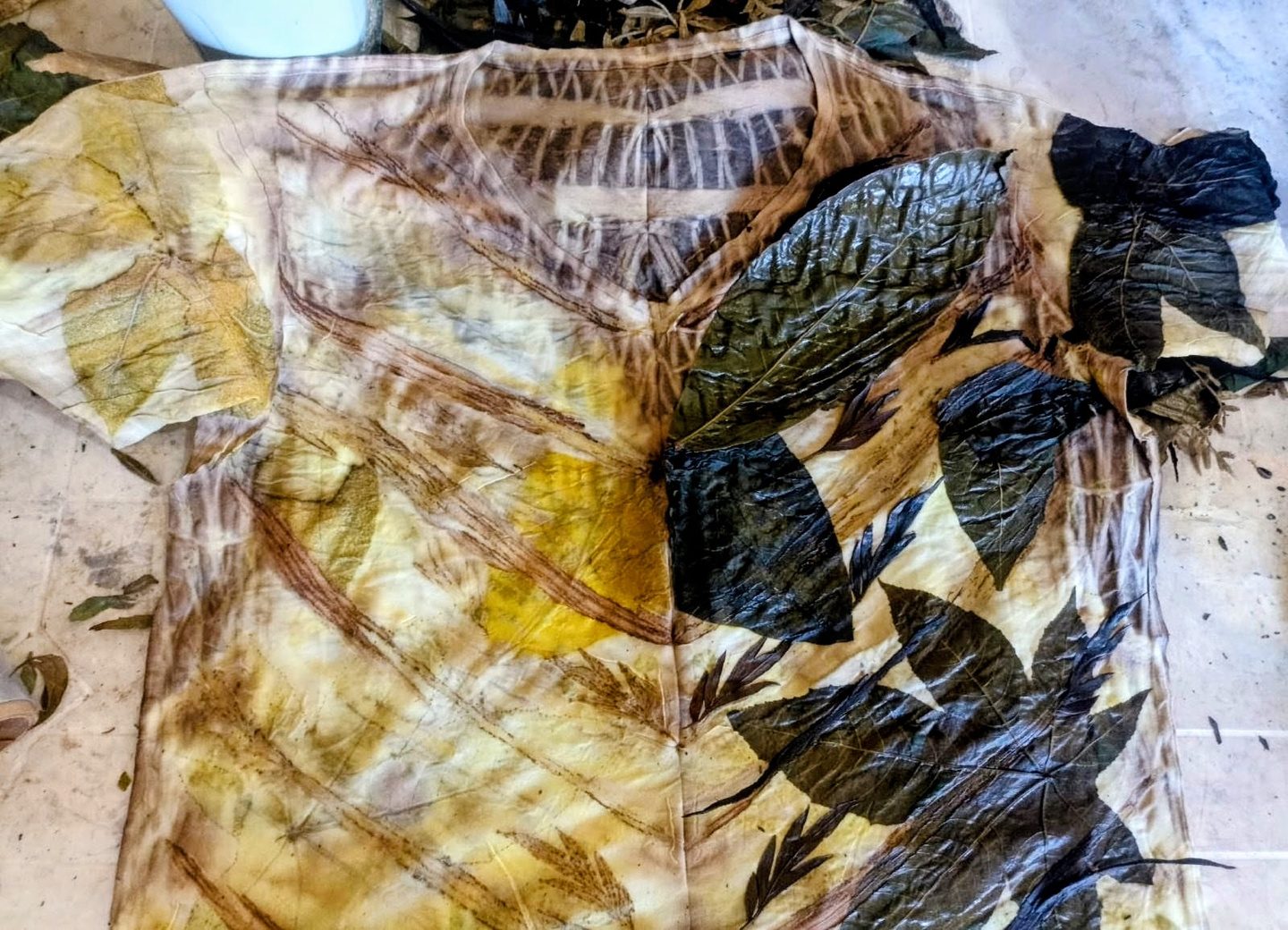
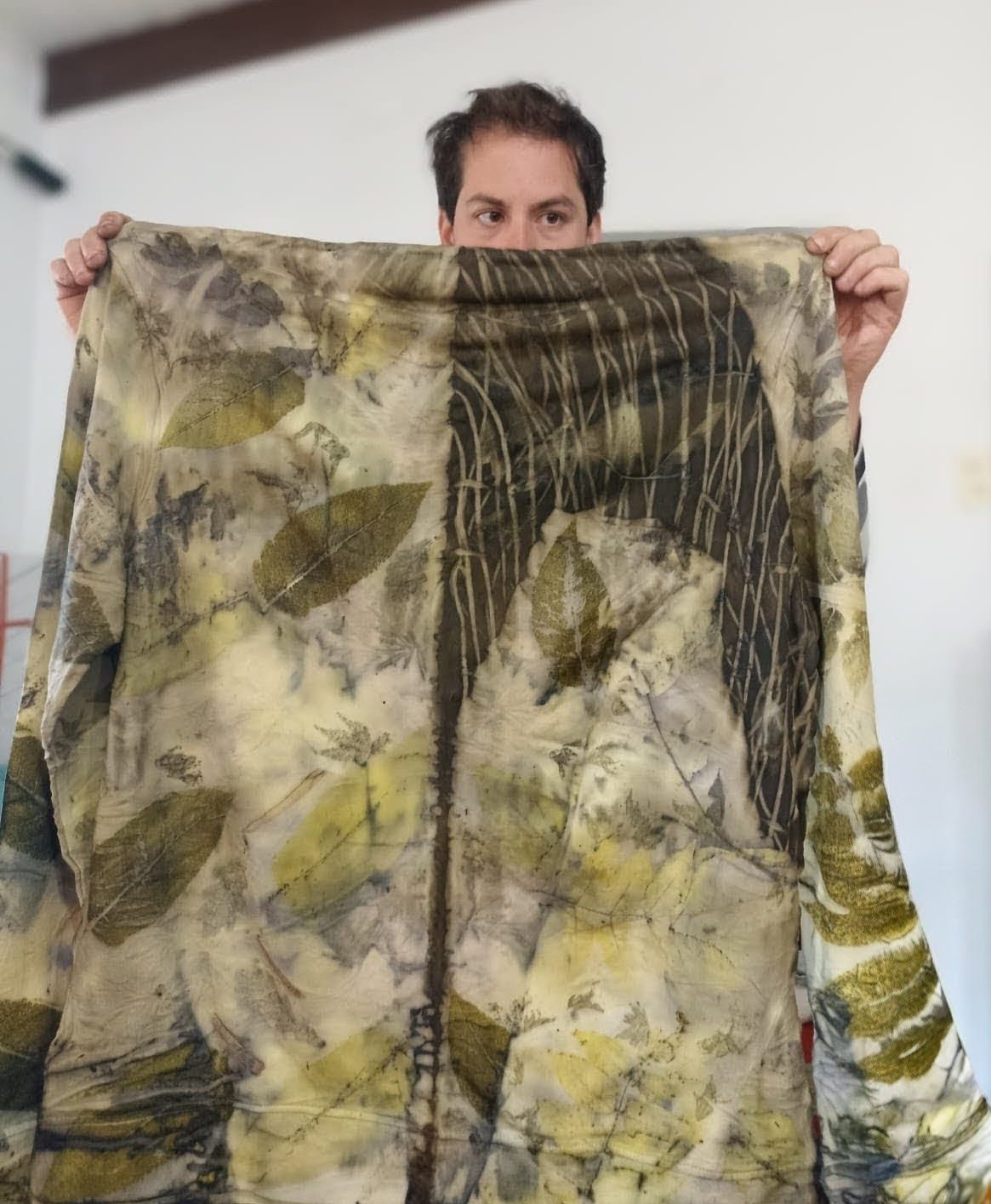
Eco-print on silk and organic cotton
The Silhouette
Garments eco-printed on organic cotton and silk. Wide silhouettes of deliberate volume, made to be inhabited.
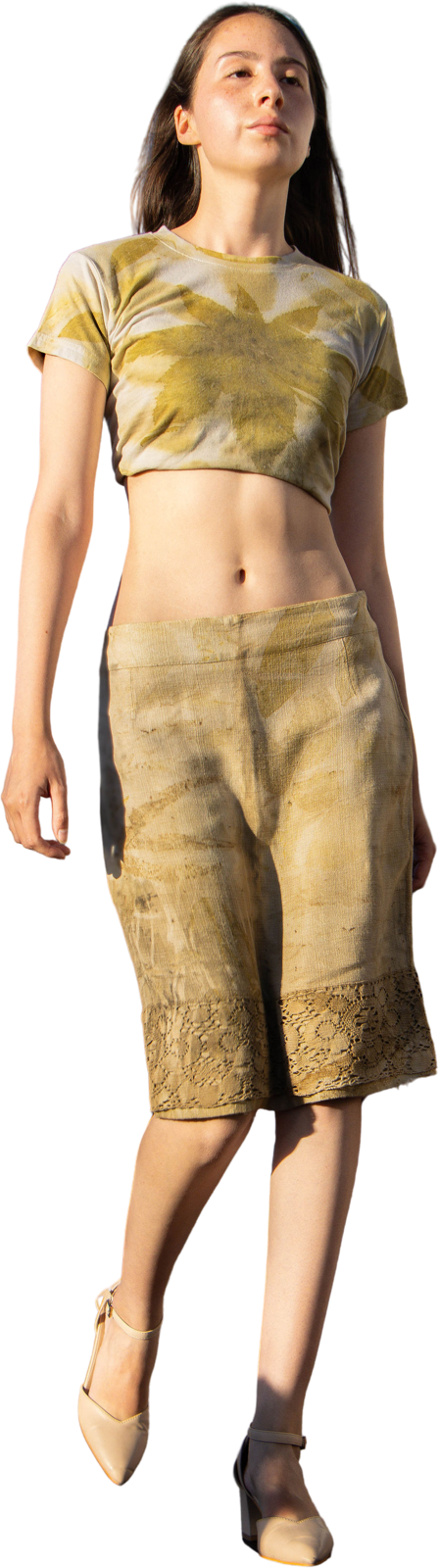
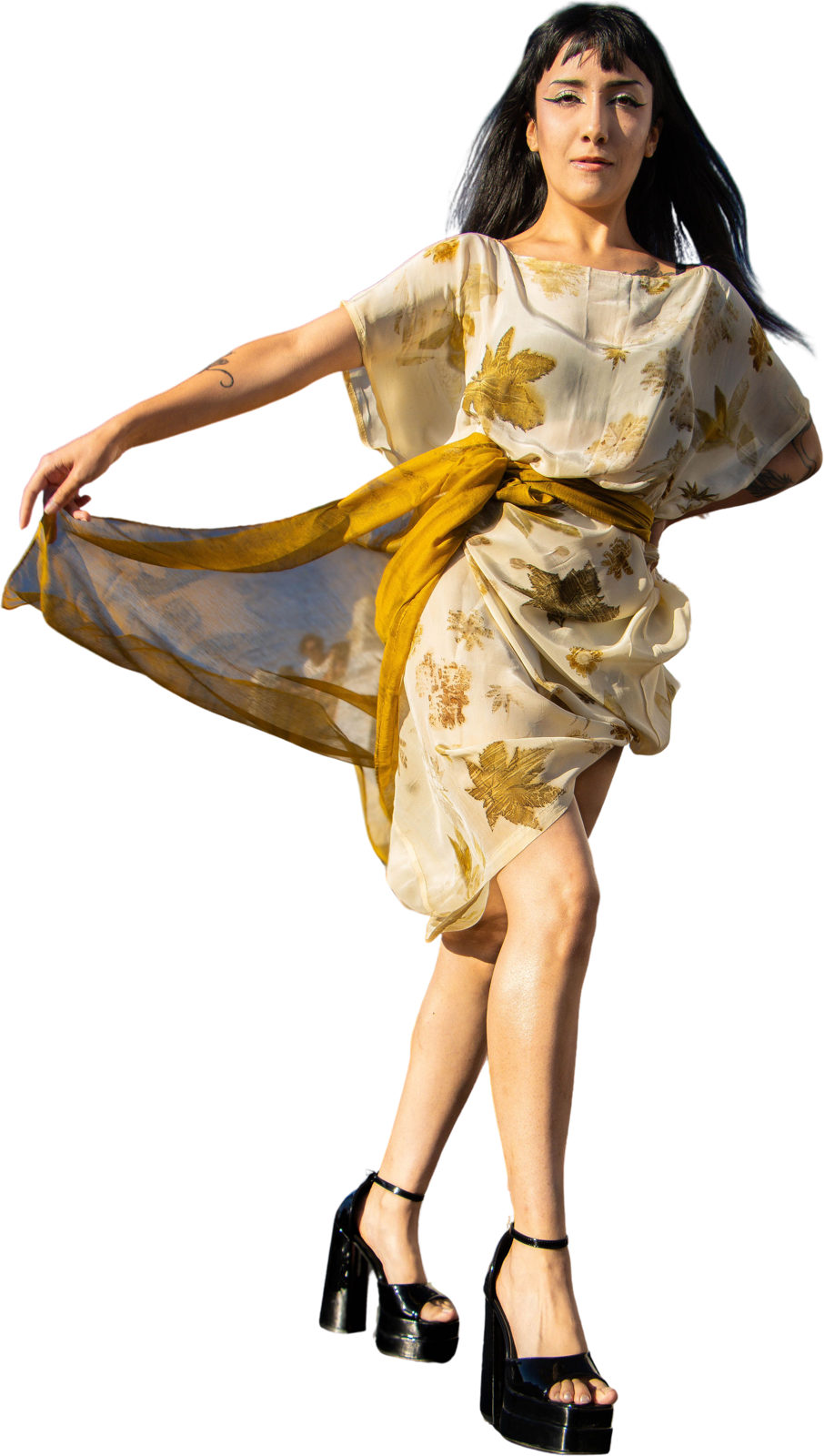
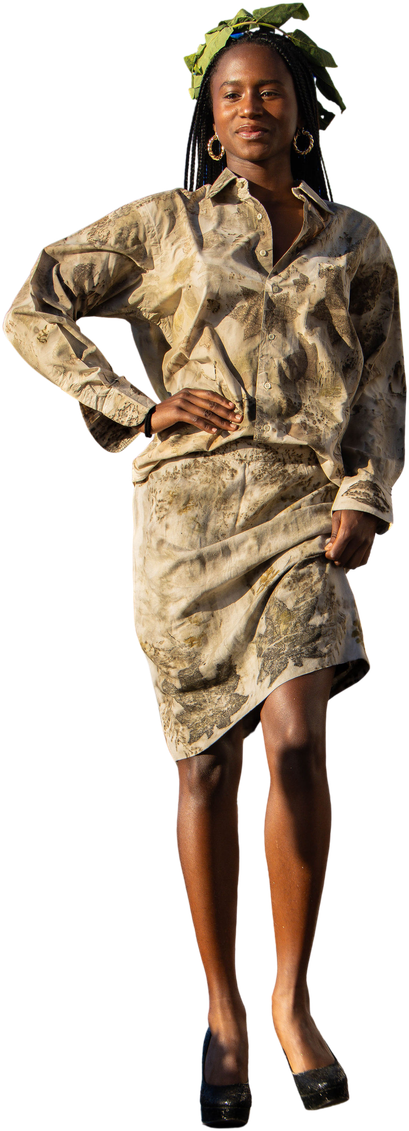
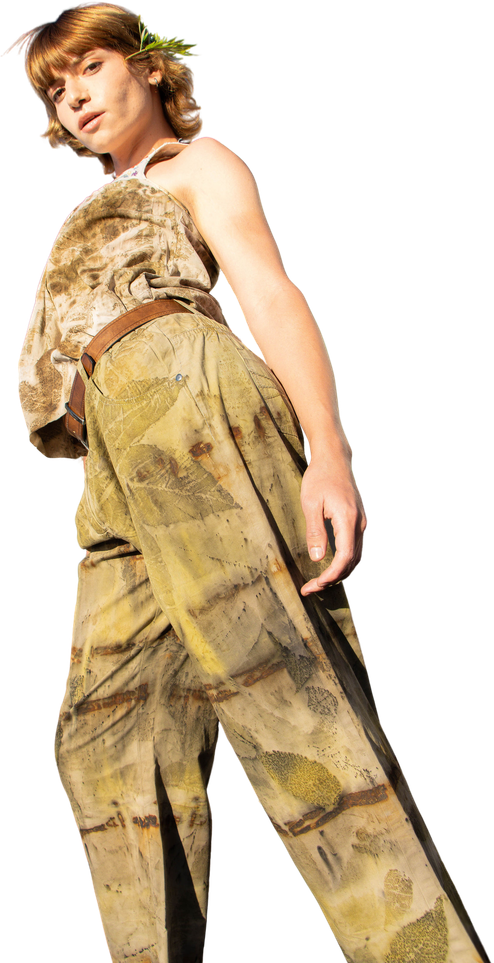
Photography: @fotografia.kathu
Available pieces
Every piece is unique and unrepeatable. Write to us to ask about a garment or to commission a made-to-measure piece.


The Scale
Eco-print does not decorate: it records. Each botanical mark is the evidence of a real contact between a plant and a fibre, mediated by time, pressure and heat. No two are alike. There cannot be.
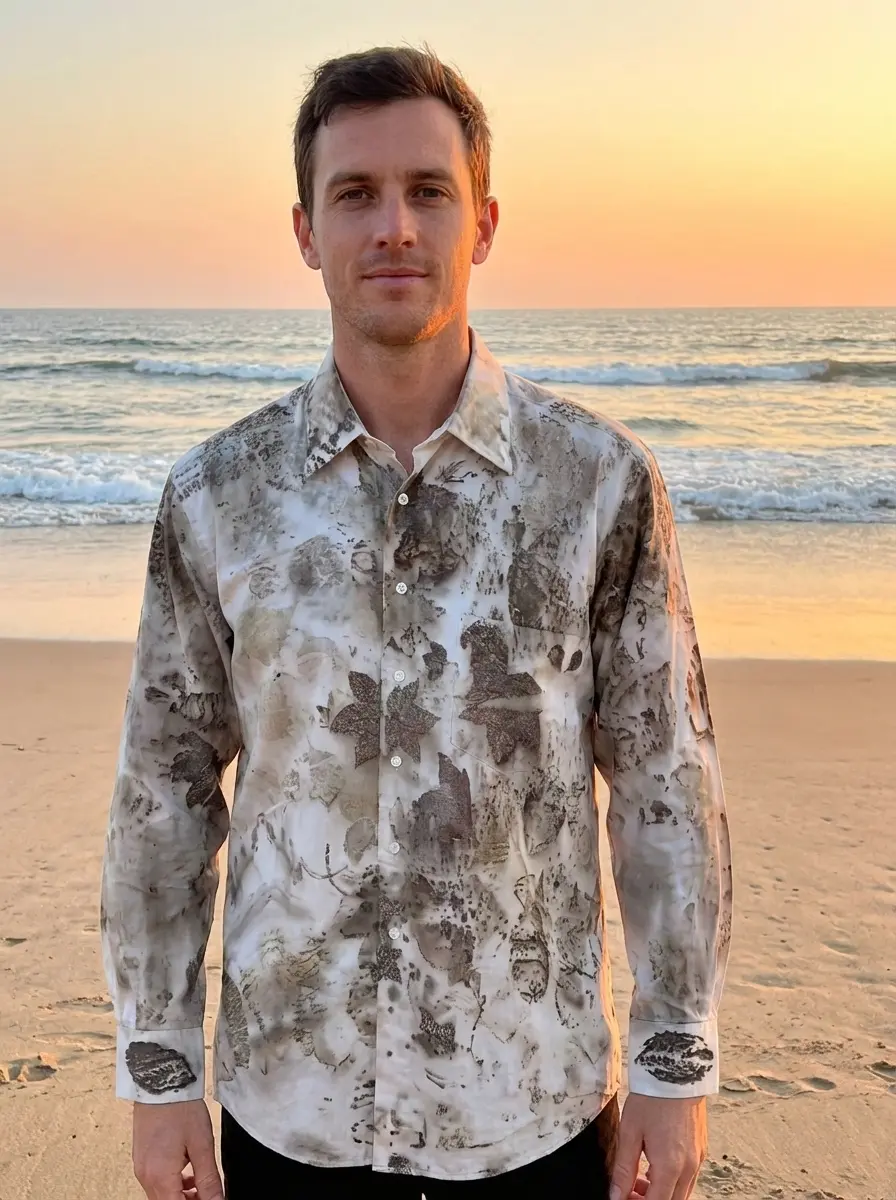
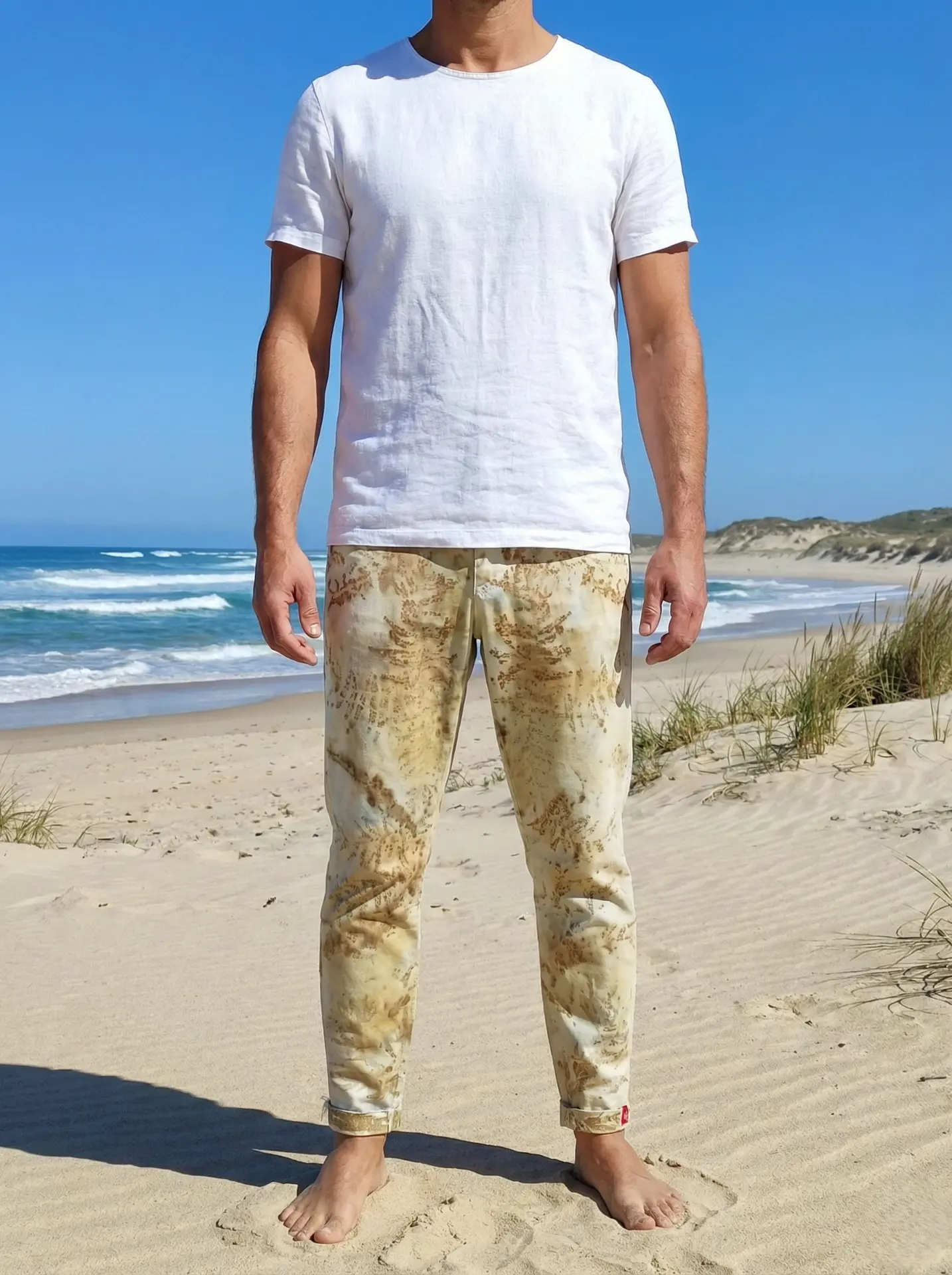
These visualisations anticipate the scale eco-print reaches on wide, deconstructive silhouettes: its drape, its volume and its capacity to converse with contemporary design. Flora from Chile's Valparaíso region on silhouettes that dress the world.
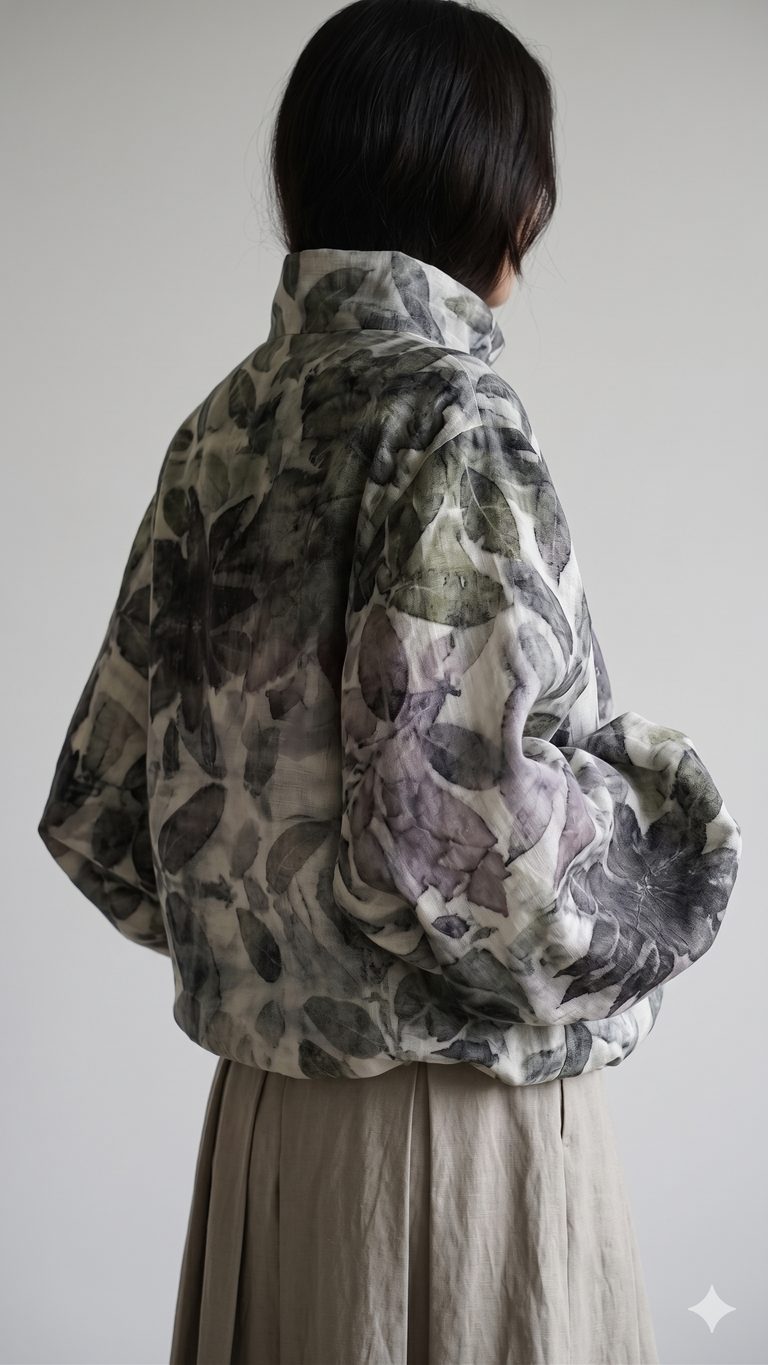
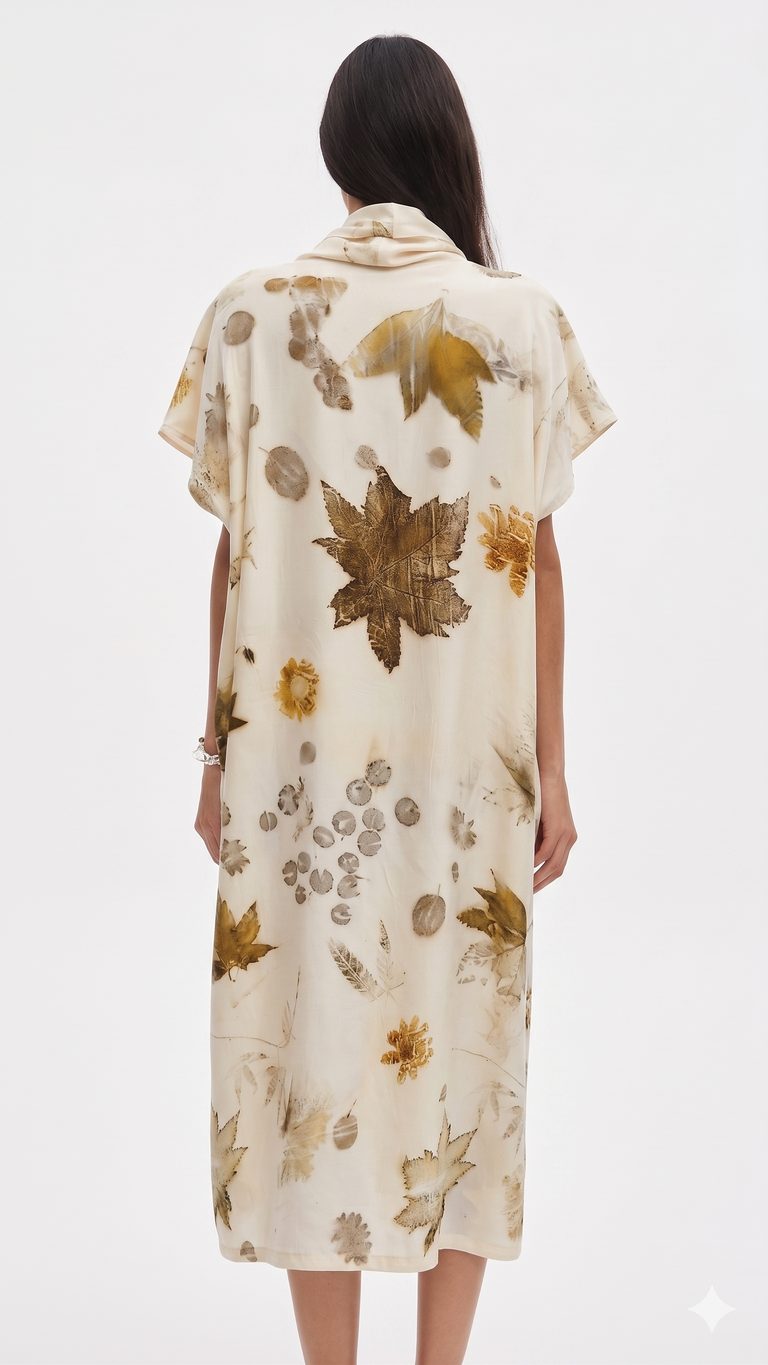
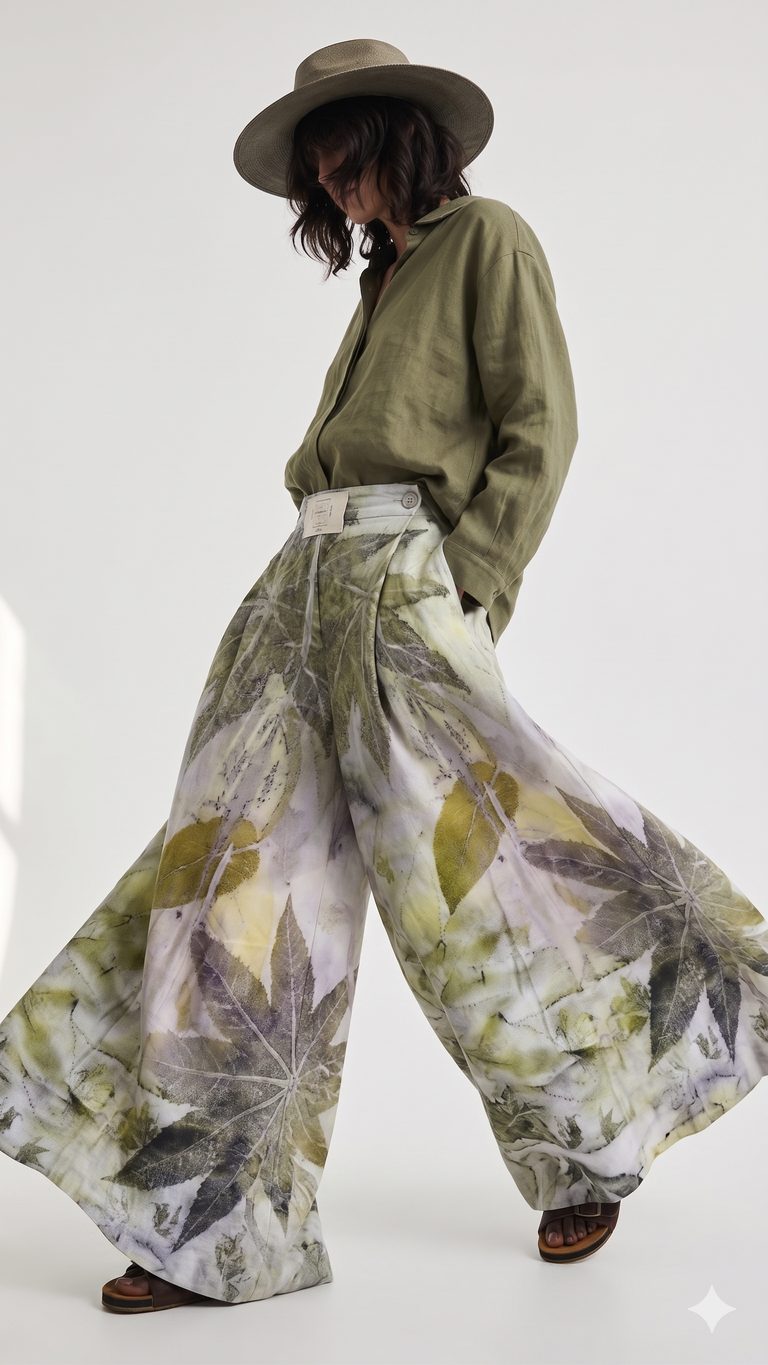
Conceptual visualisation generated with artificial intelligence from real textiles eco-printed by CreVic.